LECTURES, COURSES AND STUDY DAYS – IN PERSON AND/OR ONLINE
January 12th – WESSEX AREA – THE ARTS SOCIETY
https://theartssociety.org/wessex-area
Attending an online forum as a panelist. The forum gathers accredited lecturers who are willing to deliver lectures online and are prepared to do so.

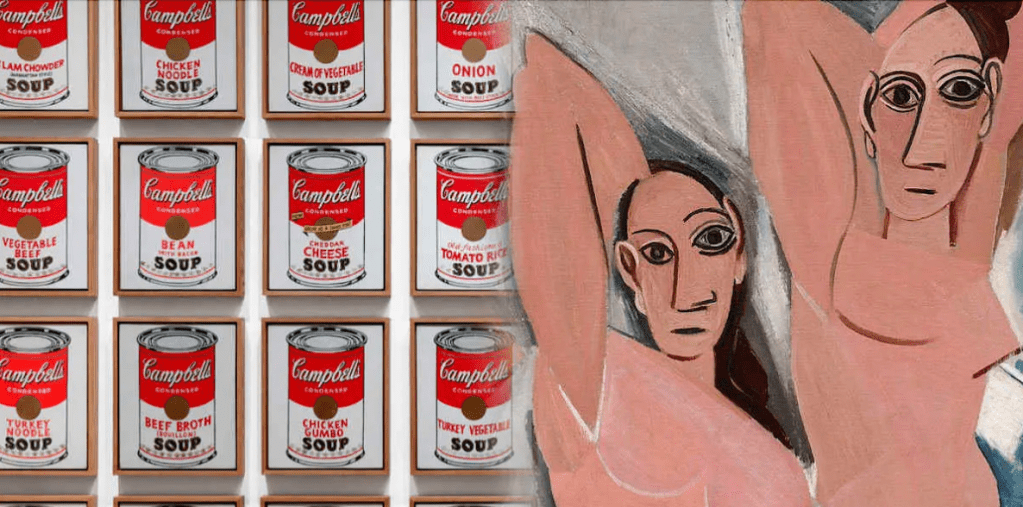
ART OF THE 20TH CENTURY AND BEYOND…
A ten-hours course designed to give a panoramic view of developing art movements in Europe and North America ( due to Nazism, many artists left Europe, some chose New York)
From Fauvism to Installations and Conceptual Art. A very well illustrated series of talks with a flash review of politics and society.
From January 19th to February 16th 2024 – talks will be delivered on Fridays from 10:00 to 12:00 with a coffee break at The William Elder Building – 56-58 Castlegate – Berwick upon Tweed – England – TD15 1JT
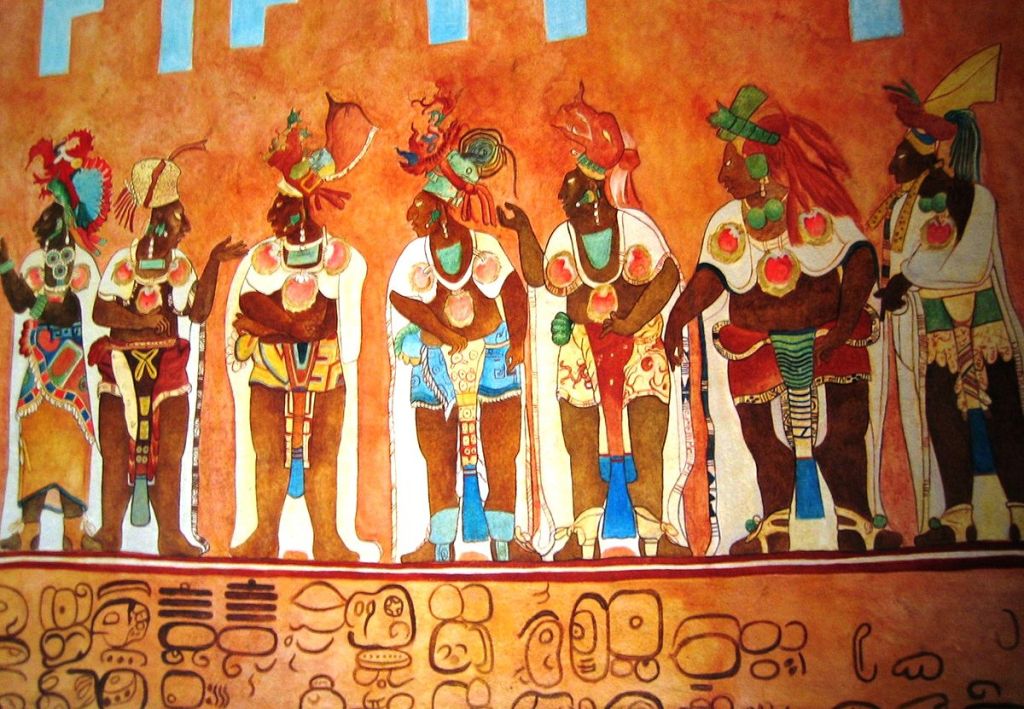
BONAMPAK: THE SISTINE CHAPEL OF THE MAYA
MANITOBA CREATIVE RETIREMENT CENTRE
February 1st 2024
A one-hour lecture on the art of the Maya.
Bonampak is a Maya city-state hidden in the rainforest of Chiapas, in Mexico. It belongs to the so-called Classic period which ended immediately after a long drought that pushed the Maya to emigrate to Yucatan. It has several buildings but one of them, a very insignificant three-room hut has the most fabulous frescoes ever found of this civilization and in this very humid weather. In this talk, Maria will explain techniques, historic circumstances and interpretation of the themes on the walls.
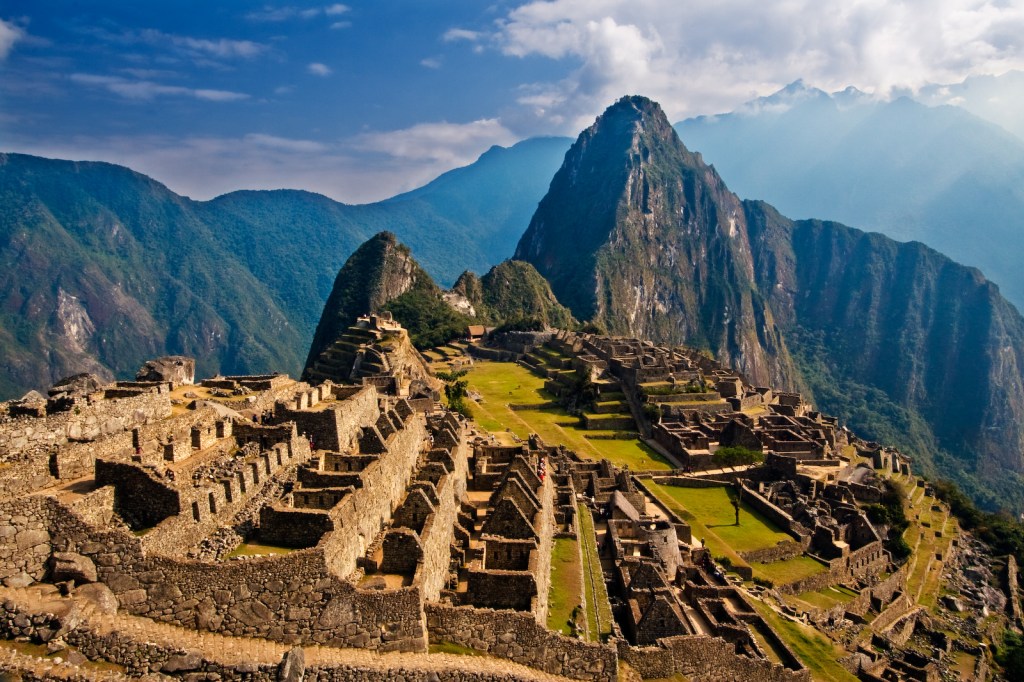
LOS INCAS: HIJOS DEL SOL ( LECTURES DELIVERED IN SPANISH)
APU3A – ALTO PALANCIA U3A – INTERNACIONAL
https://universidadterceraedadaltopalancia.blogspot.com/
Febrero 06 – INTRODUCCIÓN A LA CIVILIZACIÓN INCAICA
Febrero 13 – ARQUITECTURA Y ECONOMÍA
Febrero 20 – EL VALLE SAGRADO DE LOS INCAS
Febrero 27 – MACHU PICCHU
Cuatro encuentros presentando la muy avanzada civilización Incaica, los mas grandes arquitectos de las Americas. Los Incas no dejaron registros escritos con alfabetos – salvo los tokapu y los quipu que aún no han sido descifrados – pero pese a ello y gracias a las crónicas de los españoles podemos admirar a esta civilización de costumbres casi espartanas que todavía hoy nos asombra por sus soluciones arquitectónicas.
“I SEE WONDERFUL THINGS”
100 YEARS SINCE THE OPENING OF KING TUTANKHAMUN SARCOPHAGUS
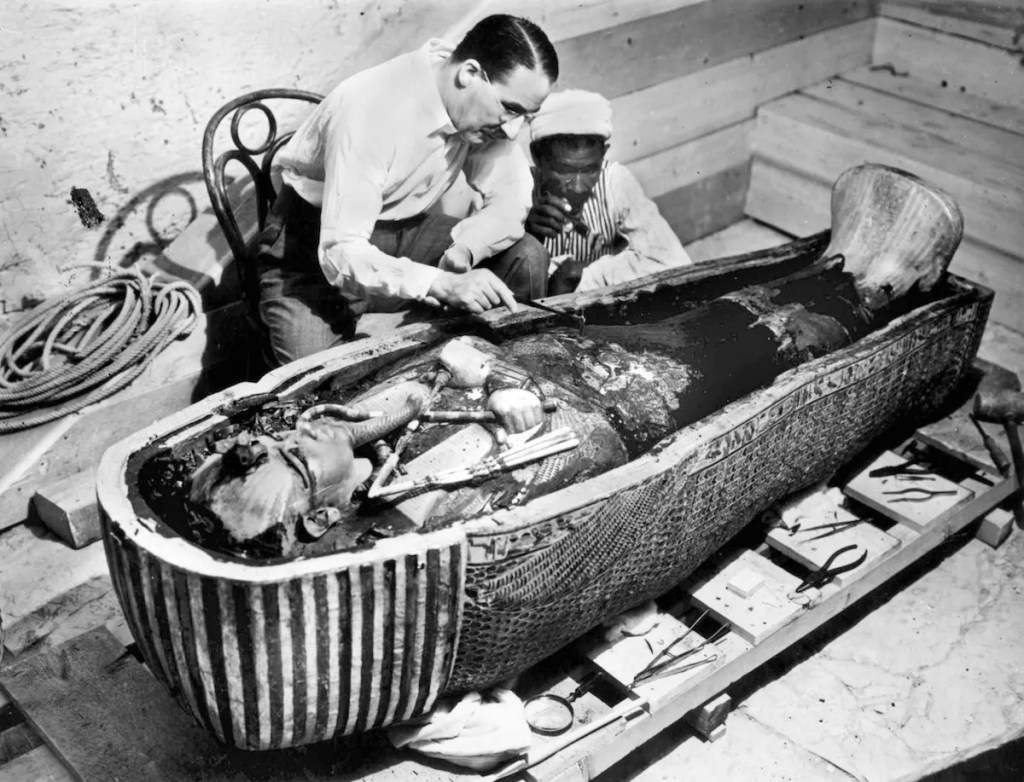
Friday 23rd February – A two-hours anniversary lecture takes you behind the scenes of the discovery of King Tut’s burial chamber one hundred years ago. Introducing Howard Carter, whose determination and resilience led to the discovery of the tomb of King Tutankhamun in the Valley of the Kings. We will examine his life before moving on to explore the excavation of Tutankhamun’s tomb and its magnificent contents.
In this highly illustrated lecture we shall investigate Howard Carter’s life and see how he developed his interest in antiquities, especially antiquities from Egypt. Thanks to him and to the money of Almina Herbert, Countess of Carnarvon, we can now enjoy the superb artefacts found in King Tutankhamun’s chambers and tomb. In the early 20th century Egyptologists confronted a lot of local political turmoil and the British ones were targeted due to Egypt’s desire to free itself from British Imperialism. When World War I took place Carter tried to protect unearthed monuments in Luxor. It was an epic journey and you are invited to relive it step by step under the guidance of Maria.
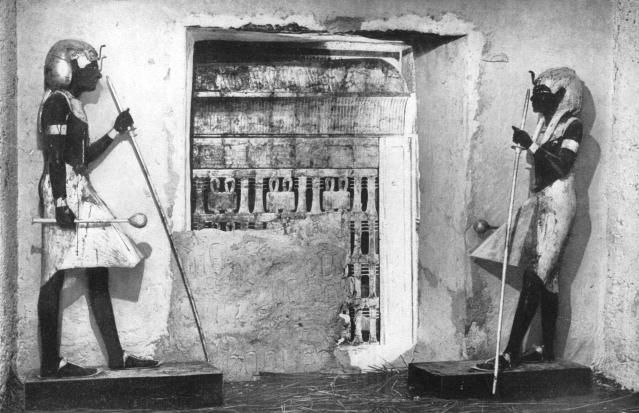
“I SEE WONDERFUL THINGS”
100 YEARS SINCE THE OPENING OF KING TUTANKHAMUN SARCOPHAGUS
Friday 16th February – An anniversary lecture that takes you behind the scenes of the discovery of King Tut’s burial chamber one hundred years ago. Introducing Howard Carter, whose determination and resilience led to the discovery of the tomb of King Tutankhamun in the Valley of the Kings. We will examine his life before moving on to explore the excavation of Tutankhamun’s tomb and its magnificent contents.
In this highly illustrated lecture we shall investigate Howard Carter’s life and see how he developed his interest in antiquities, especially antiquities from Egypt. Thanks to him and to the money of Almina Herbert, Countess of Carnarvon, we can now enjoy the superb artefacts found in King Tutankhamun’s chambers and tomb. In the early 20th century Egyptologists confronted a lot of local political turmoil and the British ones were targeted due to Egypt’s desire to free itself from British Imperialism. When World War I took place Carter tried to protect unearthed monuments in Luxor. It was an epic journey and you are invited to relive it step by step under the guidance of Maria.
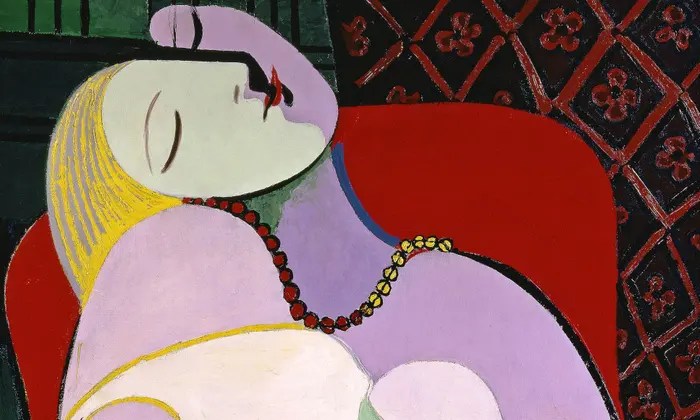
PICASSO AND HIS MUSES: GODDESSES AND DOORMATS
A three-hours course about how women influenced Picasso’s art. It will be presented in three consecutive weeks, as follows:
Monday 26th February – Picasso and his muses – An introduction
Monday 4th March – Picasso’s muses from 1900 to 1943
Monday 11th March – Picasso’s muses from 1943 to 1973.
Pablo is dead, Picasso is eternal.
We will analyse his oeuvre through the emotions that connected him to the women in his life. Some of them lived with Picasso, some of them lived for Picasso. The research was based on diaries and books written by his partners as well as by his descendants. Pablo Picasso could be identified with the Minotaur who needed to be fed with the flesh of a virgin. In the first lecture we will examine his life and passions. The second session will look more deeply at his love affairs and marriage from 1900 to 1943 and the third session will cover his partners from 1943 to 1973. Some of his partners were fine artists (Dora Maar, Françoise Gilot), others came from nobility (Olga Khokhlova), others were just young and fresh (Marie-Thérése Walter, Jacqueline Roque). He must have been a true charmer of women. Clever, intelligent women lost their senses over Picasso, others committed suicide, and only one not only survived his spell but later got married and had a child. It is astonishing that the older he became, the younger his partners had to be.
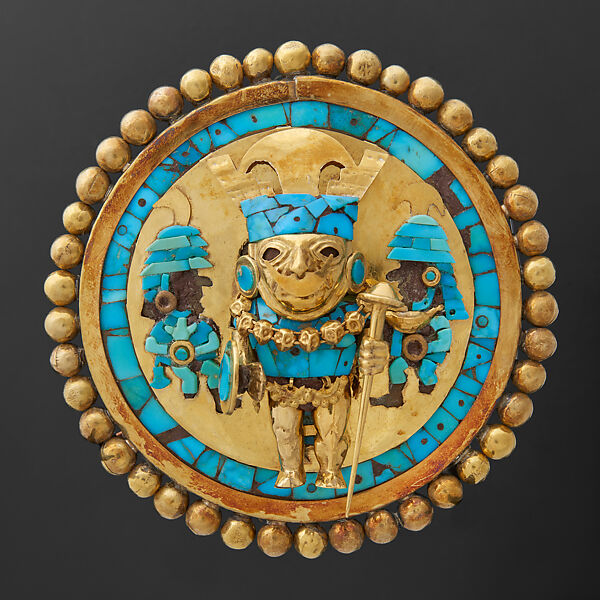
“THE LORD OF SIPAN: THE KING TUT OF ANCIENT PERU”
https://theartssociety.org/borders
Tuesday 3rd December – 11:00 am
Tait Hall – Edenside Road – Kelso – TD5 7 BS
One-hour lecture introducing the Moche civilisation – a Pre-Incan culture – who were particularly noted for their elaborately painted ceramics, gold work, monumental pyramids made of mud called “huacas” by the Incas and incredible irrigation systems. Both iconography and the finding of human skeletons in ritual contexts seem to indicate that human sacrifice played a significant part in Moche religious practices. Ten intact burials of the Moche elite were excavated, all of them with outstandingly rich of grave goods. The tomb of the Lord of Sipan is located in Chiclayo, in the northern coast of Peru and it is two thousand years old. When the Lord of Sipan was found, he was still wearing a precious necklace with beads of gold and silver in the shape of peanuts representing the earth. The Sipan tombs are the richest archeological site ever found in the New World only comparable with the findings in the tomb of Tutankhamun, in Egypt.
 ART & CIVILISATIONS